
Infection Control
Albert Quintero • May 14, 2019
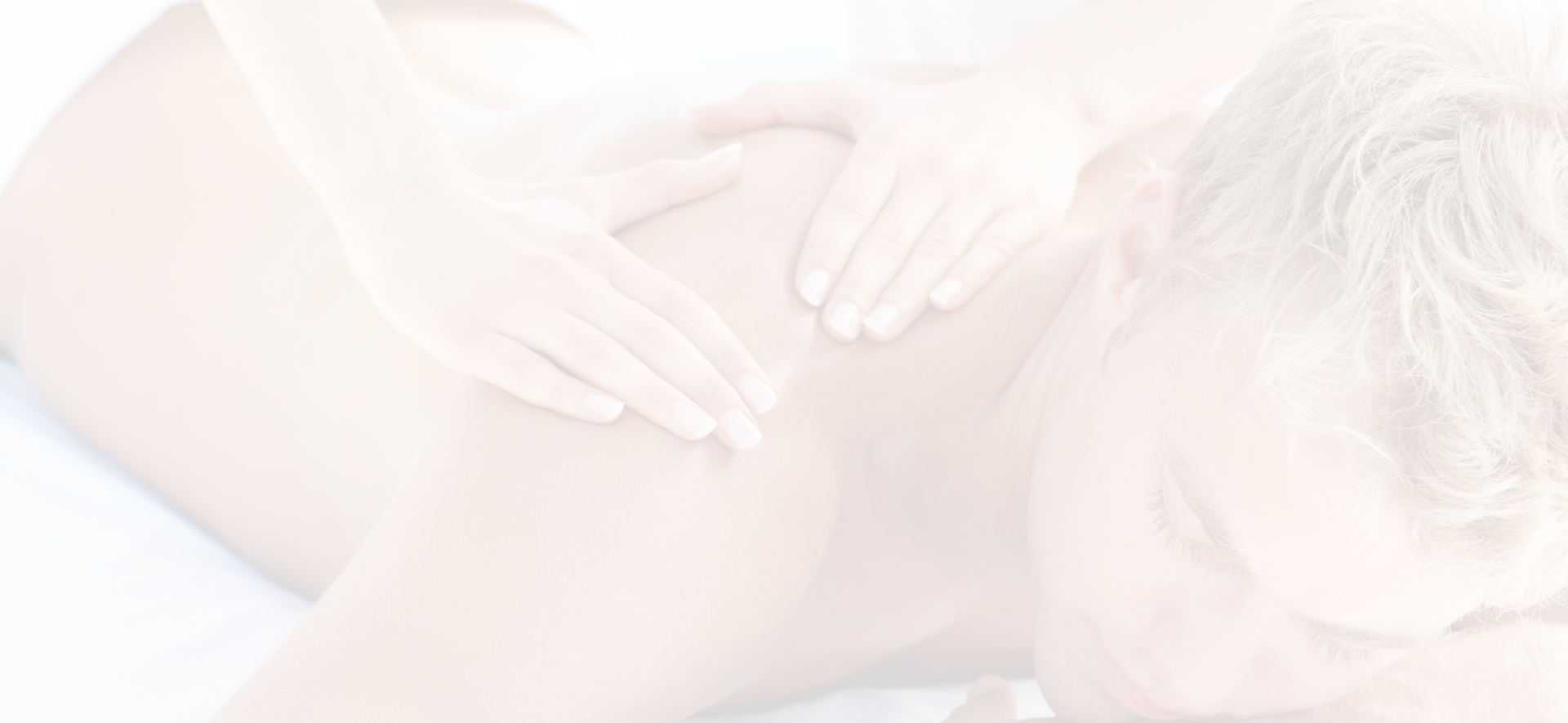
Body workers, Cosmetologists and Aestheticians, due to the physical connection with others, can be at risk of spreading infections. As well they can be susceptible to receiving infections from their clients. It is imperative that students and professionals be familiar with basic infection control principles in order to protect themselves and others.
What are infections and their cause?
Germs – living cells known as microorganisms – are at the root of infections. Although many germs live naturally on the skin and in the body and cause no problems in a healthy person, they can cause infections when a person is sick or rundown. When microorganisms are present and replicating in or on the body, the condition is called an infection. Signs and symptoms for an infection can vary greatly. They can include draining wounds, rashes, flu like symptoms, fatigue, elevated temperature, and complaints of pain/illness. Infections can be local, affecting one area of the body or systemic, affecting the whole immune system.
What kinds of microorganisms are responsible?
There are four common types. Viruses, such as those that cause the common cold, are one. Bacteria, such as staph or strep, which can cause sore throats and skin infections, are another. Fungi, such as that responsible for athlete’s foot, make up a third kind. And parasites such as lice and scabies are the fourth.
How does a person get these infections?
The body has two natural defenses. Your skin is the body’s external defense, which protects you from microorganisms that enter from outside the body. If there is a break in the skin, microorganisms can enter and cause infection or they may enter through mucous membranes or natural body openings (eyes, ears, mouth, etc.). The second natural defense is internal and consists of white blood cells that fight off disease-causing microorganisms once they enter the body. In some people, the body’s internal defenses don’t function well and therefore leave the person more susceptible to infection.
The Chain of Infection (Source, Means, Host) helps us understand the spread communicable (infectious) diseases. If we can control any one of the links in the chain, that is, if we can “break” just one link, then we have broken the chain and stopped the spread of a communicable disease. A source is a person, environment, food, water, animal, insect, soil carrying or infected with a pathogen or microorganism. A means is the method or mode of transmission of the pathogen. The means can be direct or indirect contact. Some methods of transmission include airborne, contact, vehicle. A host is a susceptible/ highly susceptible person. Infections are more likely if the agent comes in contact with breaks in skin or with the mouth, eyes, or nose. Factors included in susceptibility are your general health, strength of the infectious agent, ability of the immune system to fight the infection. Some factors that can leave a person vulnerable to infection are age, poor nutrition, poor personal hygiene, poor hydration, chronic disease, and stress.
How can infections be prevented?
– Hand washing is the most important step you can take to prevent infections. The most important aspect of hand washing is the action of rigorously scrubbing your hands with soap under running water.
– Keep fingernails short, trimmed, and clean. Fingernails can harbor a lot of microorganisms.
– Broken skin should be avoided on clients. Therapists should always keep cuts and scrapes covered while working.
– Jewelry – should not be worn while working as much as possible. If wedding rings/engagement rings will be worn during work because someone is uncomfortable with removing, always wash hands with the ring on. Be sure to wash ring and under ring. If wearing rings with sharp edges and settings use great care to not scratch others with the ring.
– Liquid soap is hygienically easier to dispense than bar soap.
– Keep clothing, uniforms, and aprons clean. Use care not to have a client come in contact with uniform or apron that may have come in contact with the previous client.
– Clean the outside of oil and lubricant containers between clients to prevent the spread of microorganisms.
– If using a tub for cream or lotion, dispense what will be used during the session into a paper cup using a spatula or spoon before the session. This will prevent contaminating the inside of the container during a massage.
– Use clean linens for each client.
– Properly clean and disinfect all equipment between each session.
– In addition to wearing gloves for anticipated or potential contact with mucosal surfaces, blood, non-intact skin, and other potentially infected material (OPIM), always wear gloves when coming in contact with urine, feces, vomit, and sputum. These fluids do not transmit blood borne diseases such as HIV or hepatitis B but can transmit other types of infections.
– Staying in good health to avoid passing germs to others is important. Remember that pathogens and microorganisms travel both ways. Both the client and the therapist can transmit them to each other unless appropriate precautions are maintained. The following symptoms may indicate a need to stay out of work: fever, frequent sneezing/coughing, a sore throat, diarrhea, or a draining skin wound.
Additional information?
Up to date and accurate information can be obtained by contacting the Center for Disease Control (www.cdc.gov) or a local health department.
The post Infection Control
appeared first on .
By Albert Quintero
•
May 17, 2019
“My overall experience at Âé¶¹Ô´´ was great! I am a huge believer that the work you put in will pay off in the end! My favorite classes were […]
The post Graduate Spotlight May 2019 Zowi Woodman appeared first on Spa Tech Massage School Maine.
By Albert Quintero
•
May 15, 2019
Get Motivated Seminar This valuable information is being shared with you to help you succeed. 20 people from the Institute attended the Get Motivated Seminar with Zig Ziglar, Mayor Rudi […]
The post Inspiration appeared first on Spa Tech Massage School Maine.
By Albert Quintero
•
May 15, 2019
It is vitally important that you fully understand policies at the school that affect you. The policies are here for your protection and to facilitate your success as a student […]
The post Policies appeared first on Spa Tech Massage School Maine.
By Albert Quintero
•
May 15, 2019
Professionalism is the Mark of Quality Being a successful professional requires focus, dedication, strength and a constant state of improvement. The amount to learn about being a successful professional is […]
The post Professionalism appeared first on Spa Tech Massage School Maine.
By Albert Quintero
•
May 15, 2019
Awareness of Dangers and Scams Whether you work for someone else or have your own business, as a successful professional you have to develop a sixth sense for areas that […]
The post Dangers appeared first on Spa Tech Massage School Maine.
By Albert Quintero
•
May 15, 2019
It is the policy of the school that the student must complete all requirements prior to graduation. These include: Attend all required hours Complete all tests and academic requirements Complete […]
The post Graduation Policy appeared first on Spa Tech Massage School Maine.
By Albert Quintero
•
May 15, 2019
Your schedule has been carefully designed to give you the optimal learning experience so consistent attendance is basic to doing well. Given the design of the schedule, any interuption in […]
The post Leave of Absence appeared first on Spa Tech Massage School Maine.
By Albert Quintero
•
May 15, 2019
Whether you have your own business or work for someone else, you will probably work with at least one consultant. There are many good consultants if you use them correctly. […]
The post Consultants appeared first on Spa Tech Massage School Maine.
By Albert Quintero
•
May 15, 2019
Phishing takes many forms but usually attempts to get some sort of meaningful data about you that can be used for identity theft. Primarily you will get emails that appear […]
The post Phishing appeared first on Spa Tech Massage School Maine.

